A PCM OCEANIA PROGRAMME, DELIVERED WITH GEMASIM

PCM PRACTICE WITH GEMASIM, FACILITATED BY WERNER NAEF
The people-part of your week is the part you can actually change.
Three days in Sydney. Six people. A behavioural simulation that gets you practising the conversations that have been wearing you down.
GEMASIM: PCM IN REAL TIME · SYDNEY · NOVEMBER 2026
GEMASIM: PCM IN REAL TIME · SYDNEY · NOVEMBER 2026
Or send me the details
GEMASIM: PCM IN REAL TIME · SYDNEY · NOVEMBER 2026
WHEN THE JOB STARTS TO WEAR YOU DOWN
Pressure won't change. Conversations can.
Conflict with peers. A management layer that feels further away than it should be. Not enough hours. Parts of the job you used to enjoy feel like parts you brace for.
We can't give you back the hours. We can't fix the system above you.
What we can do is help you with the people part. Because when the conversations get better — with the colleague you've started avoiding, with the team you're meant to be leading, with the manager you can't quite read — a surprising amount of the weight comes off.
Not all of it. But more than you'd expect.
That is what these three days are for.
INSIDE THE PRACTICE
What the three days actually look like
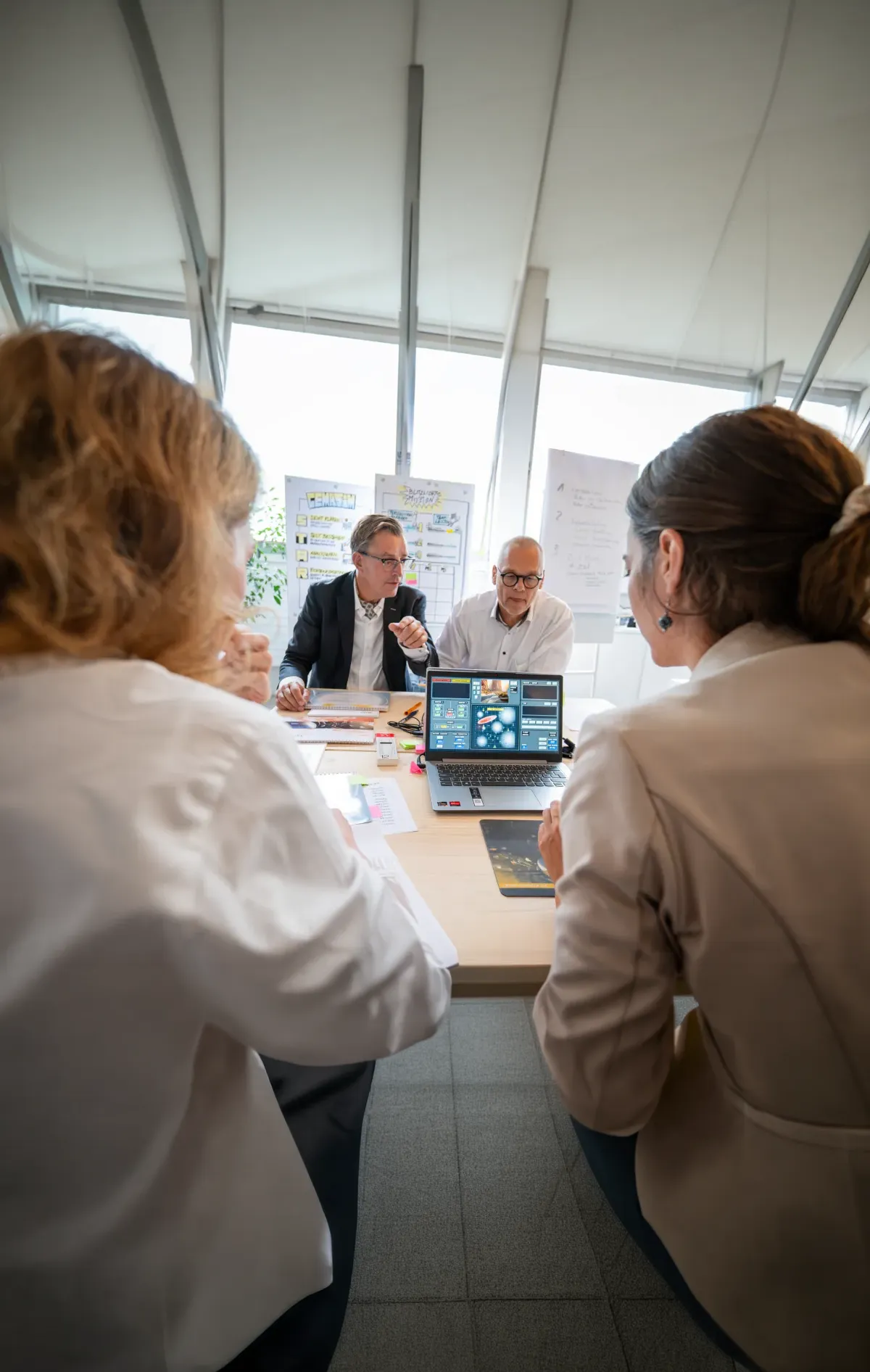
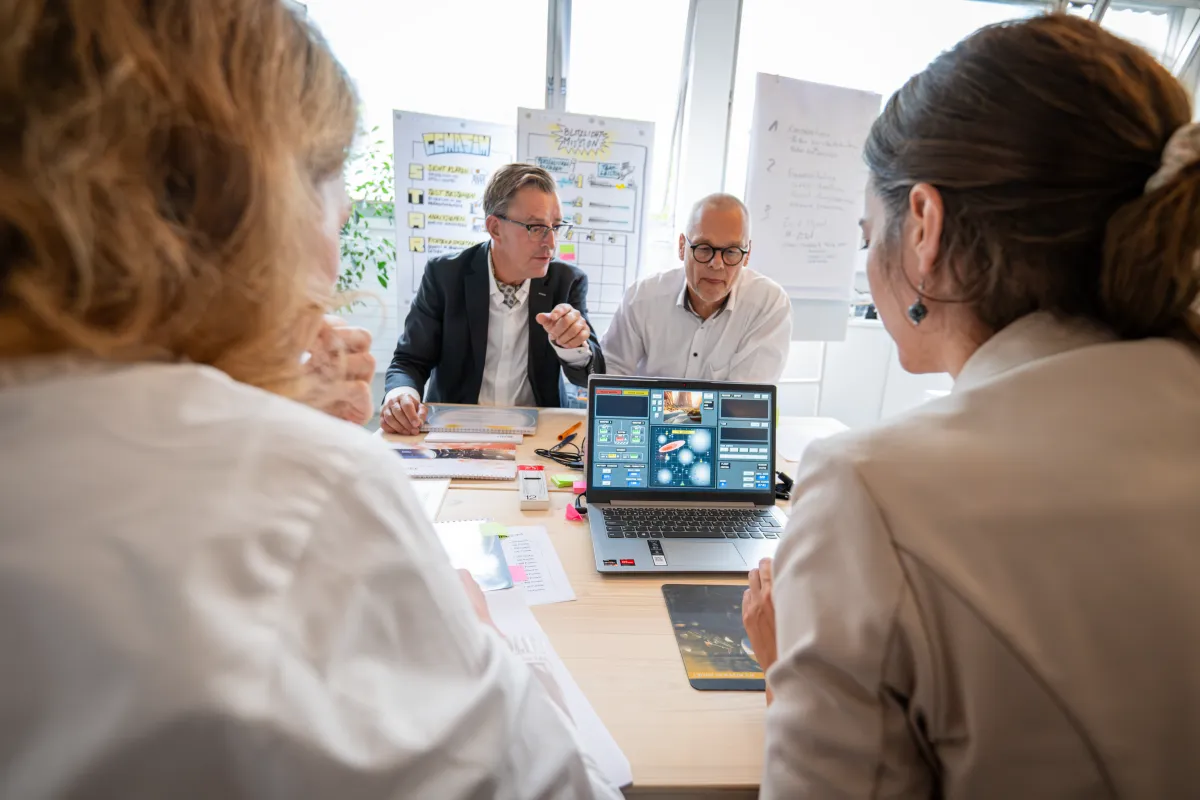
GemaSim is a behavioural simulation built around scenarios none of you have seen before. On purpose not anything close to your day job.
You run it together. Things go wrong, the way they do when people work under pressure with incomplete information.
Then you unpack what happened, what you noticed, what you missed, what the others saw in you that you couldn't see in yourself. Then you go again, in a new scenario.
The fictional scenarios are deliberate. When the situation is too close to your day job, you perform your day job. The behaviour worth training — how you respond under load, who you become when a conversation tips — stays hidden. Take the day job away on purpose, and that behaviour comes out.
You leave with behaviour you've already practised, not concepts you have to remember.
Some of it is uncomfortable. Most of it is fun.
Is it worth three days?
Three days is a real commitment. We're not going to pretend otherwise.
Small groups make this work. Every conversation, every piece of feedback is specific to you. People who've come through this say three days is what it takes.
For medical participants: PCM is recognised by RACS and most medical colleges as professional development. PCM Oceania is listed on the RACS Professional Development Program as an approved external provider. Participation certificate provided.
Not ready to decide? Download the flyer.
Is it worth three days?
Three days is a real commitment. We're not going to pretend otherwise.
Small groups make this work. Every conversation, every piece of feedback is specific to you. People who've come through this say three days is what it takes.
For medical participants: PCM is recognised by RACS and most medical colleges as professional development. PCM Oceania is listed on the RACS Professional Development Program as an approved external provider. Participation certificate provided.
Not ready to decide? Download the flyer.
WHAT SEPARATES A PCM GRADUATE FROM A PCM PRACTITIONER
Most PCM graduates spot types. A few do something more.
A few read the channel mismatch before the conversation tips. They feed the need before the distress sequence starts. They watch their own driver appear and step out of it in the same breath.
This is not a different model. It is the same PCM, used at a depth that takes practice to reach.
Most PCM graduates do not get there. Not because they did not learn it. Because the deep parts of PCM cannot be practised in a classroom.
You learned about feeding needs. You can probably remember the six types right now. The skill that separates a PCM graduate from a PCM practitioner is the part you have not had a chance to train.
That is what GemaSim is built for.
WHAT SEPARATES A PCM GRADUATE FROM A PCM PRACTITIONER
Most PCM graduates spot types. A few do something more.
A few read the channel mismatch before the conversation tips. They feed the need before the distress sequence starts. They watch their own driver appear and step out of it in the same breath.
This is not a different model. It is the same PCM, used at a depth that takes practice to reach.
Most PCM graduates do not get there. Not because they did not learn it. Because the deep parts of PCM cannot be practised in a classroom.
You learned about feeding needs. You can probably remember the six types right now. The skill that separates a PCM graduate from a PCM practitioner is the part you have not had a chance to train.
That is what GemaSim is built for.
INSIDE THE PRACTICE
PCM at the depth most graduates never reach
GemaSim is a behavioural simulation built around non-specific missions. The scenarios are unfamiliar to everyone, so the behaviour that shows up is real — not the rehearsed kind people produce when training imitates their day job.
You fly a mission. The mission is fictional. The behaviour is not.
The room is a working PCM practice. You see your own movement into driver. You notice your channel slipping under load. You watch yourself fail to feed a need that was right there. You try again.
The trainer has spent twenty years watching this kind of room. They see what you miss. The other five see what you cannot see in yourself.
You experience. You reflect. You get feedback. You transfer it. You go again.
Some of it is uncomfortable. Most of it is genuinely enjoyable. You leave with behaviour you have already practised, not concepts you have to remember.
Is it worth two days?
Two days is a real commitment. We do not pretend otherwise.
Small groups make this work. You are seen. Every conversation, every piece of feedback, is specific to you.
PCM is recognised by RACS and most medical colleges as professional development. PCM Oceania is listed on the RACS Professional Development Program as an approved external provider. Participation certificate provided.
People who do this say two days is exactly what it takes.
TWENTY YEARS OF USE IN HIGH-STAKES OPERATIONAL ENVIRONMENTS






The methodology rests on a principle long established in cognitive science: skills transfer most reliably when the underlying structural features — patterns of stress, attention, communication, decision-making — are preserved, regardless of surface content.
Recent applied work in healthcare confirms it. Decontextualised simulation surfaces the non-technical skills that in-context training tends to mask (Abraham et al., 2024).
Two papers underpin this work: Andrew M. et al. Evaluation of Process Communication Model training for surgeons and other healthcare professionals: a survey. ANZ Journal of Surgery, 2021. GemaSim white paper. The principles behind decontextualised simulation.
PCM stops being something you remember. It starts being something you reach for.

One of the best course. No negativity throughout the course – not once. I’ve never experienced that in any other training. The best course since I have been at SBB.
Head of HR and Training, Swiss Federal Railways
This training allows participants to detect communication patterns, and provides a set of tools to improve communication and team skills.
Head Airport Steering, Flughafen Zurich
The use of a computer simulation as a team exercise showed lively effects and the team dynamics displayed were in stunning accordance with our daily life experience.
Operations Maintenance Manager, Seaflight Aviation Ltd
TWENTY YEARS OF USE IN HIGH-STAKES OPERATIONAL ENVIRONMENTS
The methodology rests on a principle long established in cognitive science: skills transfer most reliably when the underlying structural features — patterns of stress, attention, communication, decision-making — are preserved, regardless of surface content.
Recent applied work in healthcare confirms it. Decontextualised simulation surfaces the non-technical skills that in-context training tends to mask (Abraham et al., 2024).
PCM stops being something you remember. It starts being something you reach for.
One of the best course. No negativity throughout the course – not once. I’ve never experienced
that in any other training. The best course since I have been at SBB.
Head of HR and Training, Swiss Federal Railways
This training allows participants to detect communication patterns, and provides a set of tools to
improve communication and team skills.
Head Airport Steering, Flughafen Zurich
The use of a computer simulation as a team exercise showed lively effects and the team dynamics
displayed were in stunning accordance with our daily life experience.
Operations Maintenance Manager, Seaflight Aviation Ltd
Is it worth two days?
Two days is a real commitment. We do not pretend otherwise.
Small groups make this work. You are seen. Every conversation, every piece of feedback, is specific to you.
PCM is recognised by RACS and most medical colleges as professional development. PCM Oceania is listed on the RACS Professional Development Program as an approved external provider. Participation certificate provided.
People who do this say two days is exactly what it takes.
SYDNEY. NOVEMBER 2026. TWO INTAKES
The details.
COURSE A
Monday 2 November -
Wednesday 4 November
9:00 — 17:00 daily
Mercure Sydney Hotel
COURSE B
Tuesday 10 November -
Thursday 12 November
9:00 — 17:00 daily
Mercure Sydney Hotel
Investment
AU$4,750 per participant. Early-bird AU$4,150 until Friday 31 July 2026.
Group Size / Facilitator
Four minimum, six maximum.
Facilitator: Werner Naef
Materials
Pre-course brief. On-day workbooks. Post-course debrief summary on request.
CPD
PCM is recognised by RACS and most medical colleges as professional development. PCM Oceania is a RACS-approved external provider for PCM courses. Participation certificate confirming attendance, duration, and the framework used is provided.
Reserve your seat.
Six seats per course. We confirm in the order enquiries arrive.
Or send me the details
Read the white paper
Want to run this in-house? Talk to Andrea.
Six seats per course
Book your seat directly, or talk to Werner first. Either works.
Six seats per course
Book your seat directly, or talk to Werner first. Either works.
A PCM Oceania programme. Delivered with GemaSim. © 2026.